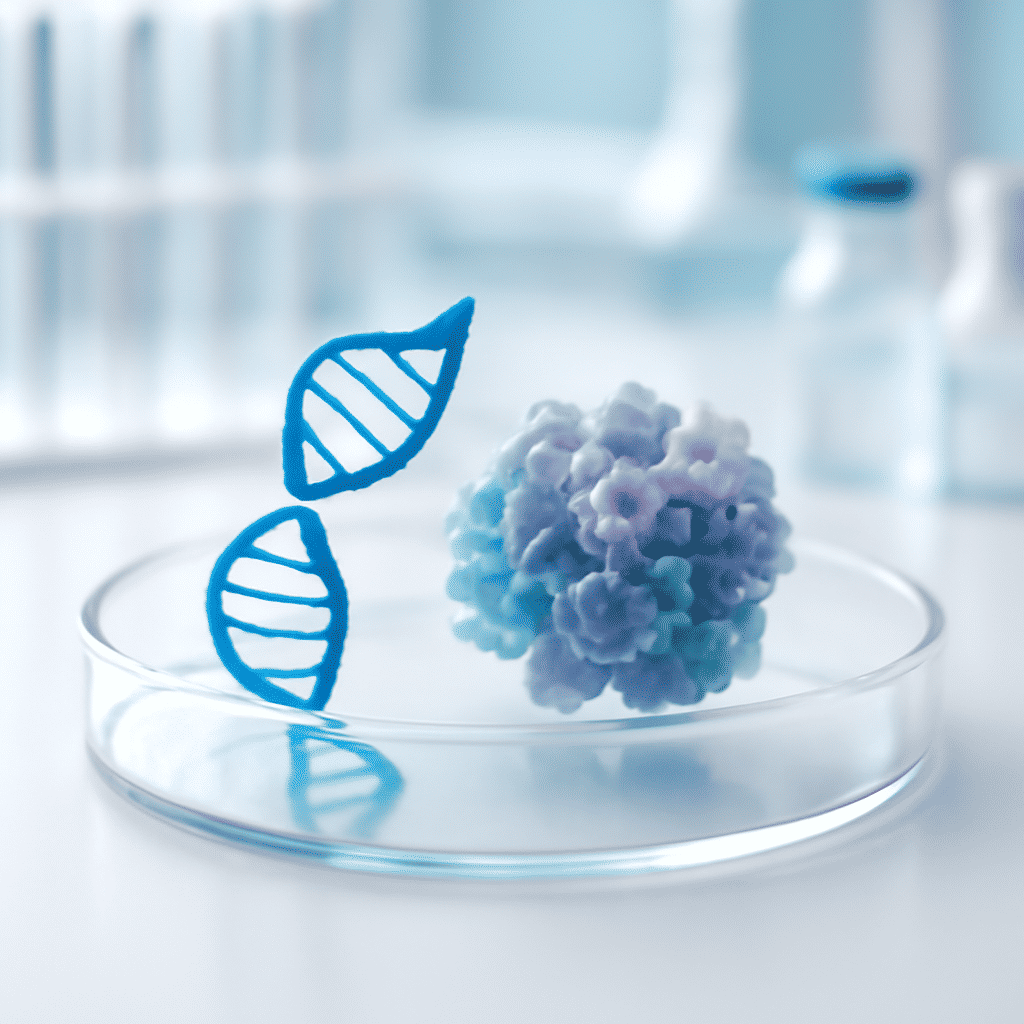
In recent years, genetic editing has experienced profound advancements, revolutionizing numerous fields from medicine to agriculture. At the forefront of these innovations is CRISPR-Cas9, a powerful tool that has opened new possibilities for precise genetic manipulation. This technology allows scientists to edit DNA with unprecedented accuracy, offering potential solutions to some of the most pressing challenges in our world today.
CRISPR-Cas9, an acronym that stands for Clustered Regularly Interspaced Short Palindromic Repeats and CRISPR-associated protein 9, is a system that originated from the adaptive immune system of bacteria. It works by targeting specific sequences of DNA, guided by an RNA molecule that binds to the DNA segment that requires editing. Once the targeted DNA is located, the Cas9 protein acts as molecular scissors, cutting the DNA strand and allowing for the insertion, deletion, or alteration of genetic material. This precision has set CRISPR-Cas9 apart from earlier gene-editing technologies.
One of the most exciting domains of CRISPR-Cas9 application is in the field of medicine. The potential to correct genetic disorders at their source is revolutionary. Researchers have made significant strides in using CRISPR to address diseases such as sickle cell anemia, cystic fibrosis, and muscular dystrophy. Preliminary trials in editing genes to reverse or mitigate these disorders have shown promising results, providing hope to millions of individuals affected by genetic conditions.
Furthermore, CRISPR-Cas9 is playing a critical role in oncology, enabling the development of new therapies for cancer. It allows for the enhancement of immunotherapy methods, particularly through the modification of T-cells to better recognize and attack cancerous cells. This customizable approach to cancer treatment offers the potential for more targeted and effective interventions, moving toward personalized medicine.
Beyond human health, genetic editing is transforming agriculture by creating crops with enhanced traits such as improved yield, disease resistance, and climate resilience. CRISPR-Cas9 has been used to develop varieties of rice that are resistant to bacterial infection and wheat that sustains less damage from crop-destroying pests. By employing such technology, scientists can contribute significantly to food security and sustainability amidst a growing global population and changing climate.
Ethical considerations surrounding genetic editing, particularly germline modifications, cannot be ignored. The prospect of editing human embryos to eliminate genetic diseases raises moral and philosophical questions about the implications for future generations. The scientific community is deeply engaged in discussions regarding the ethical boundaries and regulatory frameworks necessary to govern these powerful technologies.
CRISPR-Cas9's versatility and efficiency continue to push the boundaries of what is possible in genetic editing. As research progresses, the technology could lead to breakthroughs beyond our current imagination, fostering important discussions about its role in shaping our future. With continued responsible development and oversight, genetic editing stands to significantly benefit humanity, offering solutions that were once the realm of science fiction.