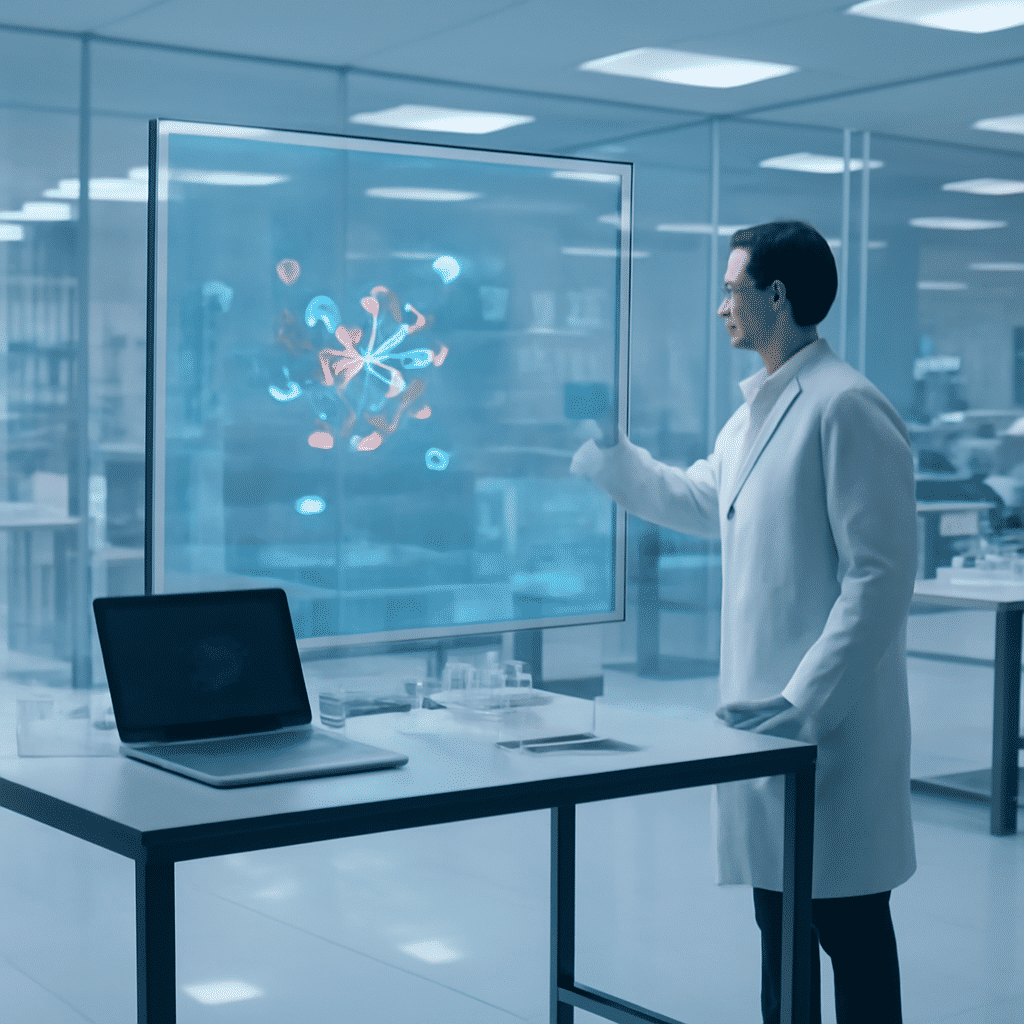
In recent years, artificial intelligence (AI) has become a transformative force in various industries, and the pharmaceutical sector is no exception. The traditional drug discovery process, characterized by its lengthy timelines and high costs, is being revolutionized by AI technologies that promise to accelerate development and enhance the precision of treatments.
A major challenge in drug discovery is the staggering amount of time and resources required to bring a new drug to market. Conventional methods can take over a decade and cost billions of dollars, with a high failure rate haunting every stage of development. AI, with its capacity for rapid data processing and pattern recognition, offers a promising alternative by significantly reducing these barriers.
AI platforms utilize machine learning algorithms to analyze vast datasets, identifying promising drug candidates much faster than traditional methods. These datasets include genomic information, biological activity profiles, and chemical structures, among others. By automating the initial screening of compounds, AI reduces the workload on human researchers, allowing them to focus on more strategic aspects of drug development.
One critical area where AI is making strides is in the identification of novel drug targets. AI algorithms can comb through complex biological data to uncover new molecules and understand their interactions with different biological systems. These insights help in pinpointing the most promising targets for drug intervention, increasing the chances of successful outcomes.
Furthermore, AI is instrumental in the optimization of drug candidates. Through predictive modeling, AI tools can simulate how different chemical compounds interact with biological targets, helping streamline the modification of drug molecules for improved efficacy and safety. This can significantly cut down the trial-and-error approach typically associated with drug design and formulation.
In conjunction with speeding up the discovery phase, AI is enhancing the precision of personalized medicine. The concept of precision medicine revolves around tailoring medical treatment to the individual characteristics of each patient. AI facilitates this by integrating patient data, such as genetic profiles, with clinical data, leading to more precise treatment recommendations. This not only improves patient outcomes but also contributes to more efficient healthcare systems.
AI's role in drug discovery is not without its challenges. Concerns about data privacy, algorithmic bias, and interpretability of AI decisions are ongoing discussions in the healthcare domain. There is also the need for regulatory frameworks that can keep pace with the rapid advancements in AI technologies.
Despite these challenges, the benefits AI offers in drug discovery are undeniable. Partnerships between AI firms and pharmaceutical companies are producing promising results, with several AI-developed drugs already entering clinical trials. Examples include drugs for complex diseases such as cancer and neurodegenerative disorders, illustrating AI's potential to unlock new treatment avenues that were previously out of reach.
In conclusion, AI is proving to be a powerful ally in the drug discovery arena, promising to drastically alter the pharmaceutical landscape. By enhancing efficiency, reducing costs, and improving precision, AI ensures that future drug discovery processes are more robust, bringing hope for quicker and more effective treatments for a variety of medical conditions. As AI technologies continue to evolve, the potential for groundbreaking advancements in drug discovery remains immense, heralding a new era of precision medicine.