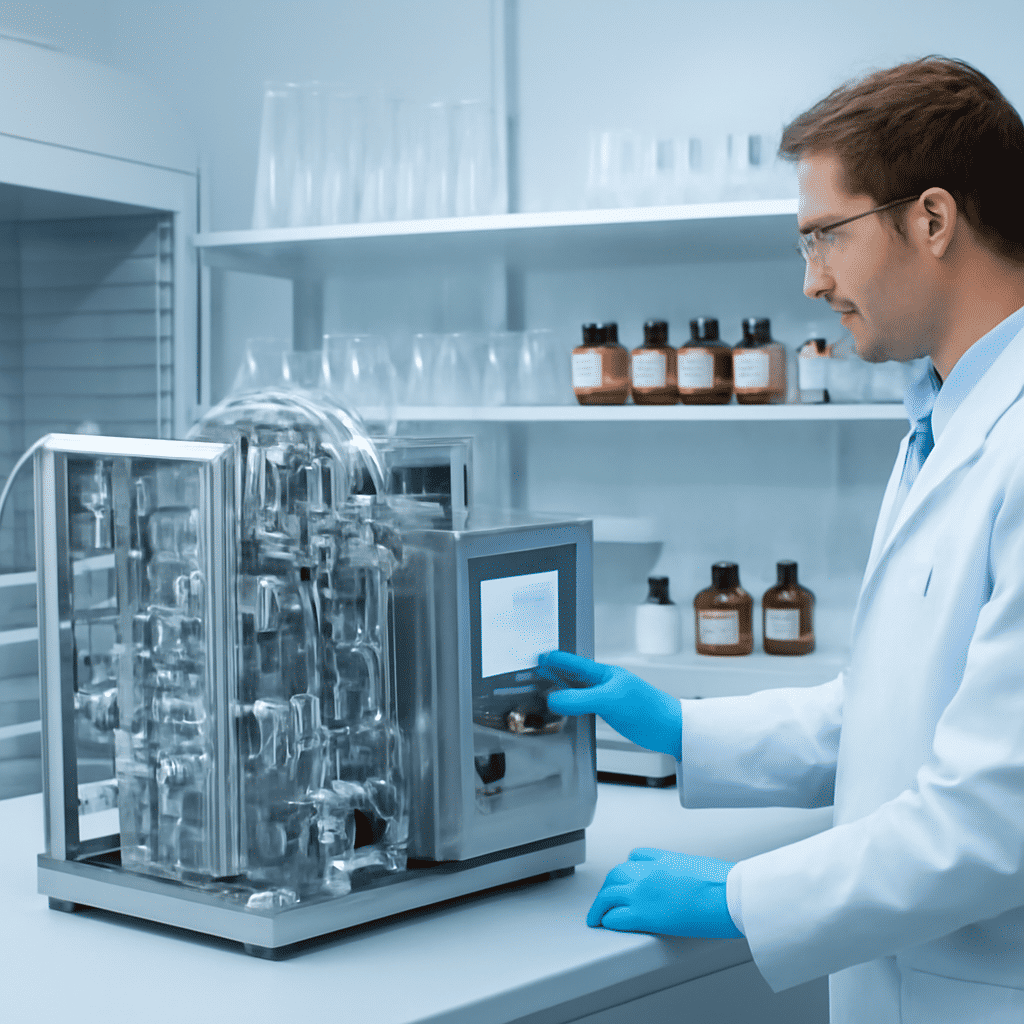
In recent years, innovative technologies have significantly transformed the landscape of pharmaceutical sciences, fostering groundbreaking discoveries that promise to redefine healthcare. From artificial intelligence and machine learning to biotechnology and nanotechnology, these advancements are enhancing the drug discovery process, improving precision medicine, and paving the way for new therapeutic solutions.
One of the most prominent technological innovations in pharmaceuticals is the integration of artificial intelligence (AI) and machine learning. These technologies are revolutionizing drug discovery by enabling researchers to analyze massive datasets faster and more accurately than ever before. AI algorithms can predict how drugs interact with targets, identify potential side effects, and optimize chemical structures to enhance efficacy. This streamlining of the drug development process not only reduces costs but also accelerates the time it takes to bring new drugs to market, ultimately benefiting patients.
Moreover, biotechnology continues to be at the forefront of pharmaceutical innovation. The ability to manipulate biological systems allows scientists to develop more effective and targeted therapies. Techniques such as CRISPR-Cas9 gene editing have opened new avenues for treating genetic disorders by allowing researchers to precisely alter DNA sequences. This has led to the development of personalized medicine, where treatments are tailored to individual genetic profiles, increasing the likelihood of successful outcomes.
Nanotechnology is another transformative force in the pharmaceutical sciences. By working at a molecular level, researchers can create drug delivery systems that are more efficient and precise. Nanoparticles can be engineered to carry drugs directly to specific cells or tissues, minimizing side effects and enhancing therapeutic efficacy. This is particularly advantageous in cancer treatments, where targeting tumors without damaging surrounding healthy tissue is a major challenge.
Additionally, 3D printing technology is gaining ground in the pharmaceutical industry. This technology enables the production of personalized medication and innovative delivery mechanisms that were previously unimaginable. Customizable drug dosages and release patterns can improve patient compliance and therapeutic outcomes. 3D printing also offers the potential for on-demand production of medications, which could revolutionize how drugs are distributed and consumed.
The digitalization of clinical trials is yet another area where innovative technologies are making an impact. Virtual trials and wearable health devices are collecting real-time data from patients, leading to more efficient trial designs and more comprehensive monitoring of therapeutic effects. This not only enhances the reliability of clinical trials but also improves patient experiences by allowing for more flexible participation.
In conclusion, the infusion of innovative technologies into pharmaceutical sciences is ushering in a new era of drug development and treatment paradigms. By harnessing the power of AI, biotechnology, nanotechnology, and other cutting-edge technologies, researchers are able to push the boundaries of what is possible, leading to therapies that are safer, more effective, and personalized. As these technologies continue to evolve, they hold the potential to dramatically improve patient outcomes and transform the future of healthcare.